


Roman cuisine, famous for its iconic pasta dishes, also holds a wealth of sweet recipes within its tradition. Some of these trace their roots right back to ancient Rome, while others are more modern additions found on roman tables today.
In this article, you will find a complete overview of the world of roman sweets, brought to Bologna by us, Flavio and his family.
Today's traditional roman sweets: what are they?
At Pistamentuccia, we love bringing true roman traditions to Bologna, and that absolutely has to include the fantastic traditional sweets of Rome. Do you know them all? Read on and let’s discover them together!
- His majesty, the maritozzo: popular in various parts of Italy, the roman maritozzo is a soft sweet bun sliced in half, generously filled with whipped cream, and dusted with icing sugar. On the Pistamentuccia menu, you will often find our pistachio version too a real treat for anyone with a serious sweet tooth!
- Frappe: also known as chiacchiere or bugie in different Italian regions, frappe are a traditional sweet for the carnival season, originating right in the heart of ancient Rome.
- Crostata ricotta e visciole: with its brilliant simplicity, this ricotta and sour cherry tart is a classic that wins over anyone who loves a sweet treat, and is very common among the sweets of the Jewish Ghetto.
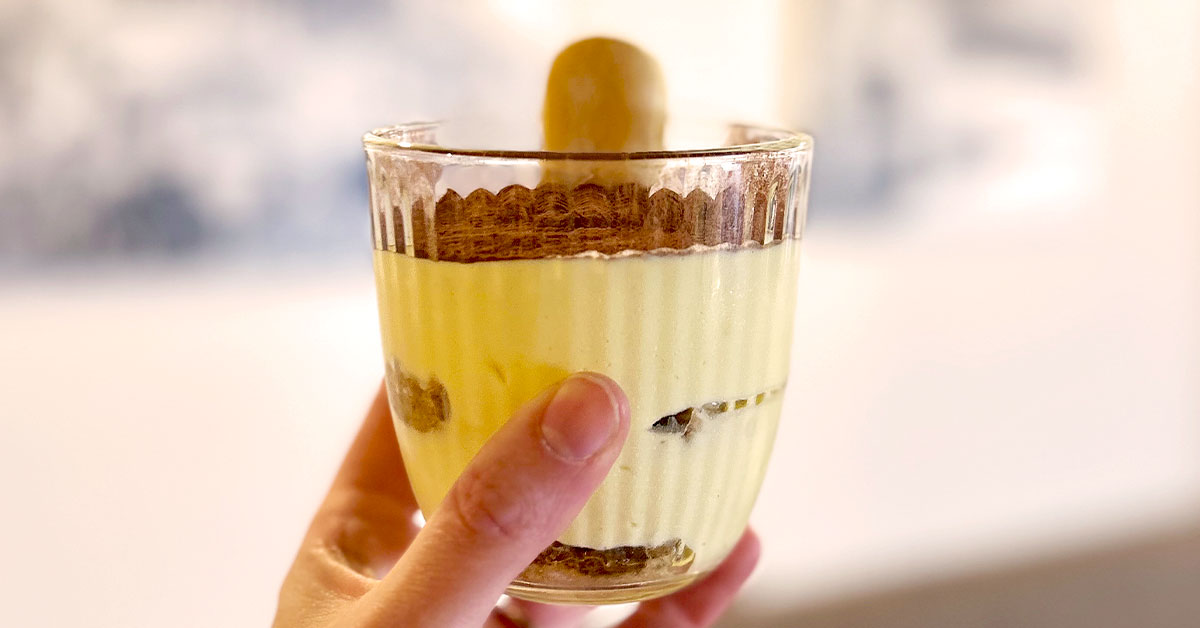
- Il tiramisù: although its origins are tied to the Veneto region, tiramisù has become so widespread and loved across Italy and the world that, even in Rome, this post-meal treat is an absolute must.
- Ciambelline al vino: a rustic sweet from the roman peasant tradition, typical of the Castelli Romani area. These crumbly wine biscuits are perfect when paired with a good glass of local wine.
- Bignè di San Giuseppe: mostly eaten in March for Father’s Day. These bignè are little portions of deep-fried dough filled with custard, not to be confused with Neapolitan zeppole.
Celebrating the holidays: what are the roman Christmas sweets?
Even around Christmas, we make sure we don’t miss out on anything. If you have never tried traditional roman festive sweets, we highly recommend fixing that as soon as possible!
The most famous are:
- Pangiallo: a direct relative of panpepato. Its main ingredients are nuts, candied fruit, and honey, and it is traditionally given as a gift during the winter solstice as a good omen to celebrate the rebirth of the sun.
- Panpepato: a flat, circular sweet cake sharing the same base ingredients as pangiallo, but with the addition of stronger spices like pepper, cocoa, and cinnamon.
What is the traditional roman sweet Easter pizza?
After Christmas, you simply have to treat yourself to an Easter dessert in true roman style. The sweet Easter pizza is a traditional cake that is typically eaten for breakfast on Easter Sunday itself. Also known as pizza sbattuta, pizza cresciuta, or ricresciuta, it is a baked treat prepared similarly to colomba, shaped a bit like panettone, but packed with flavourings like cinnamon and anise, along with candied citrus peel.
Like all traditional sweets, every family has its own recipe and that is exactly how it should be, you would never argue with le tradizioni de’ nonna (grandma’s traditions), would you?
Back to the roots: discovering ancient roman sweets
As much as we know about today’s traditional roman sweets, we owe many of these delights to ancient Rome. Let’s find out how the ancient Romans used to indulge in refined sweet doughs.
- Pane libium: an incredibly tasty sweet bread made with honey, ricotta, and egg. Pane libium was placed on bay leaves and baked slowly in the oven.
- Luncunculus: a sort of bignè. These little nuggets were usually dropped into a copper or iron pot to deep-fry in boiling lard. The same method was used for Globus, which are more similar to our modern bomboloni (doughnuts), but made with fresh cheese.
Jewish influence on Rome: the sweet pizza di Beridde
We all know about the Ghetto of Rome, an area historically home to a Jewish community that is still thriving today. Also known as pizza ebraica, the sweet pizza di Beridde is an unleavened pastry, somewhat like shortcrust, enriched with nuts, raisins, and candied fruit. Its name seems to derive from the words Berit Milah or Brit Milah, meaning “Covenant” (with God), but the real standout feature of this sweet is its texture biscuit-like on the outside and soft on the inside, created by a quick bake at very high temperatures.
From the examples above, it is easy to see that the ancient Romans mostly favoured baking methods, using slow preparation techniques with flour, cheese, and honey, simple ingredients that were readily available at the time. Nevertheless, today’s sweets in roman cuisine retain these characteristics, naturally adapted to the ingredients available now.
Did you know these fun facts about traditional roman sweets? Follow us and come try our take on these much-loved desserts, you can find us right in the centre of Bologna!