


If the name Pistamentuccia rings a bell, it might be because it takes its inspiration from mentuccia, an aromatic herb used in many roman recipes. It is important not to confuse it with common mint, as they are two entirely different plants. Let’s clear things up and find out a bit more.
The plant
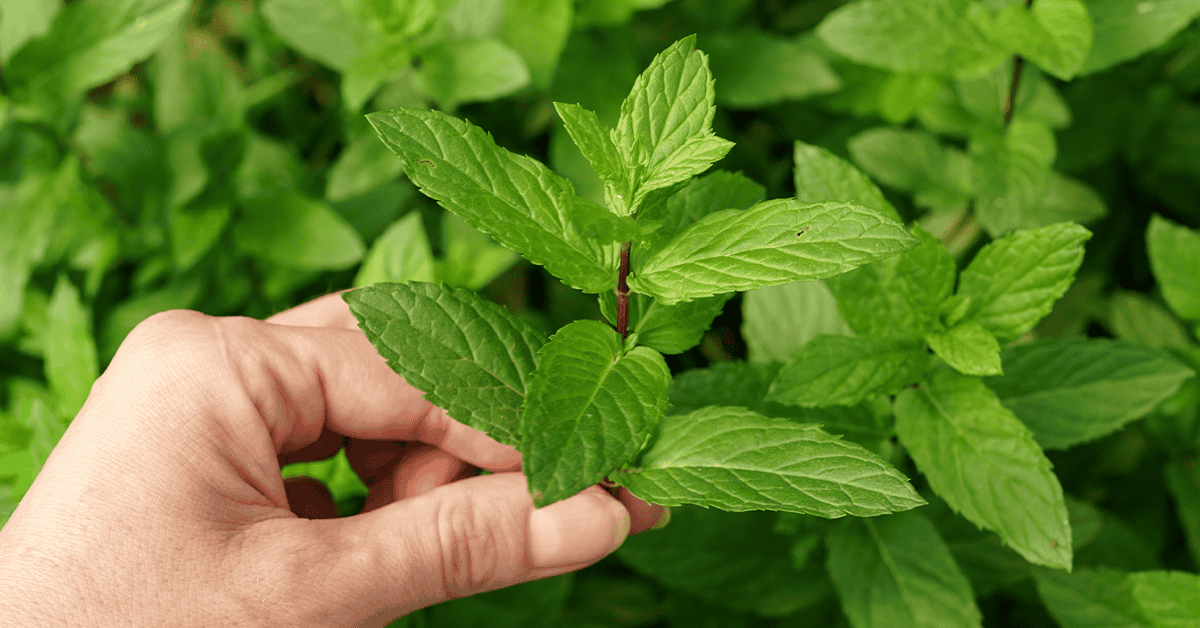
Roman mentuccia, also known as nepitella or pennyroyal, is a herbaceous perennial that often grows wild on uncultivated land, particularly in dry and stony areas. You can even spot it growing near pavements and along the roadside. Although it thrives in this sort of terrain, it can grow in various types of soil; the only one it really struggles with is clay, as this causes considerable waterlogging. Generally speaking, soils that retain too much moisture should be avoided. It can also be grown in pots and copes incredibly well with drought, though it doesn’t like low temperatures (the parts above ground might dry out during the winter).
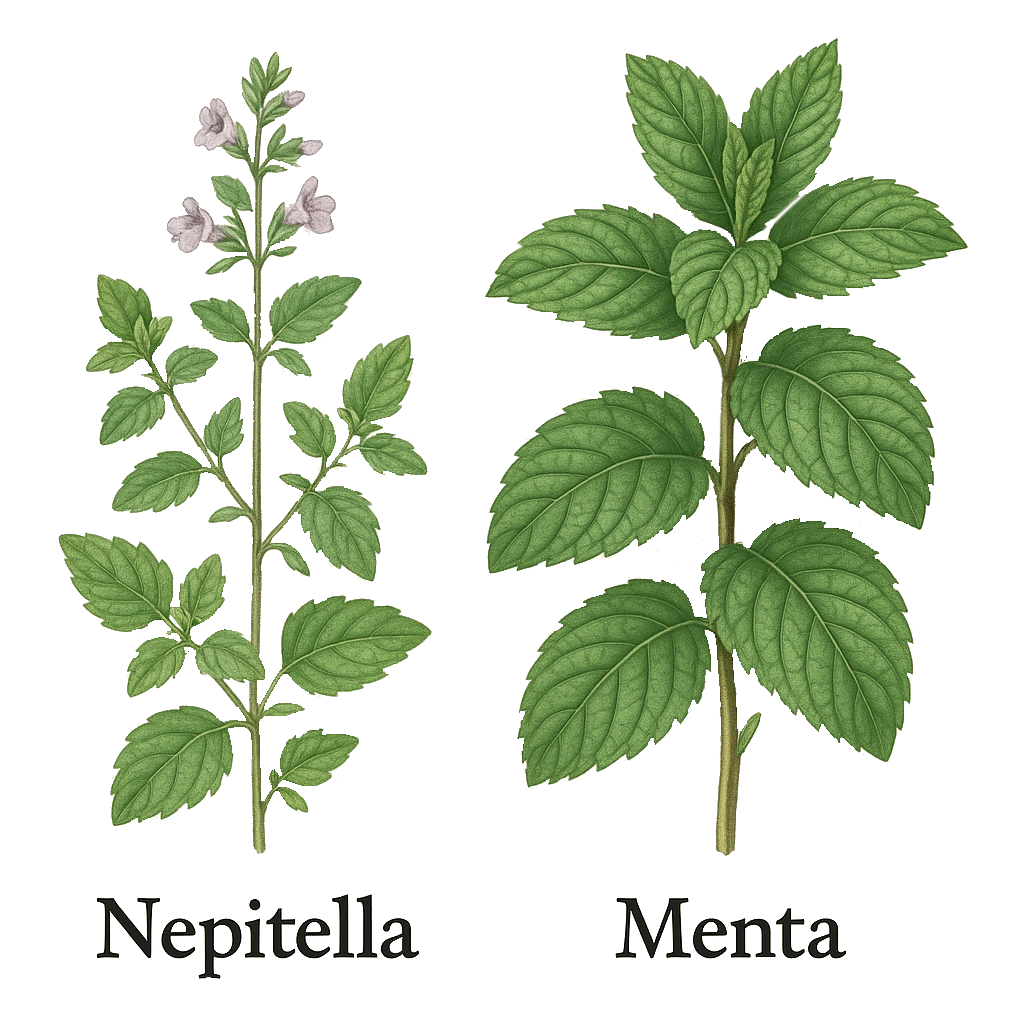
Is mentuccia a poisonous wild mint?
Even though the two plants share a similar name in Italian, they are actually two distinct species with different characteristics and benefits. Classic mint (like peppermint, for example) is a true mint, whereas mentuccia or roman mint (scientific name Mentha pulegium) is a related but separate plant genus. To tell the two apart, you just need to look at their flowers. Classic mint has roundish, purplish flowers, while mentuccia looks a bit more like lavender, with vertical, tubular flowers.
Roman mint is the one mostly used in the cuisine of the Lazio region. It is also known for containing several medicinal substances and an essential oil which, if ingested in massive quantities, can have a negative effect on the body. But don’t worry: nothing we use in the kitchen is remotely harmful, as it is only ever used in very small amounts.
In the kitchen
Mentuccia has a variety of culinary uses. The most common is as a flavouring and core ingredient in recipes like carciofi alla romana and side dishes like mushrooms. Adding it gives the dish a wonderfully fresh, balsamic edge. It is used in gravies, sauces, and even in liqueur making. Plus, it can be eaten raw, tossed into salads or cocktails. It also makes brilliant infusions and herbal teas that help settle digestive issues and stomach aches.
At Pistamentuccia, we use it to round off the rich flavour of trippa alla romana, adding that essential touch of freshness required by such a hearty, complex dish.
Did you know all these facts about mentuccia? How would you use it in the kitchen?
Keep following us so you don’t miss the latest news from our roman kitchen!