


Pecorino romano DOP: what you need to know
Pecorino romano is a hard, cooked sheep’s milk cheese made from fresh, whole sheep’s milk. It features a thin rind and a pale yellow colour, with a dense or slightly holey texture.
Its taste is highly aromatic, intensifying as it ages to become sharper and deeply savoury. This makes it perfect to enjoy on its own or grated as a garnish.
Pecorino is also one of the few cheeses in the world that can boast truly ancient historical origins. In the imperial palaces of ancient Rome, it was considered the perfect seasoning for banquets, while its long shelf life made it a staple in the travel rations of roman legions.
Characteristics: is pecorino romano lactose-free?
The answer is yes: pecorino is an excellent ally for anyone following a lactose-free diet. Just be careful: if pecorino romano DOP is aged for a minimum of 30 to 36 months, the product is naturally lactose-free, containing less than 0.1g per 100g. This happens because, thanks to the long ageing process, the lactose breaks down into two simpler sugars: glucose and galactose.
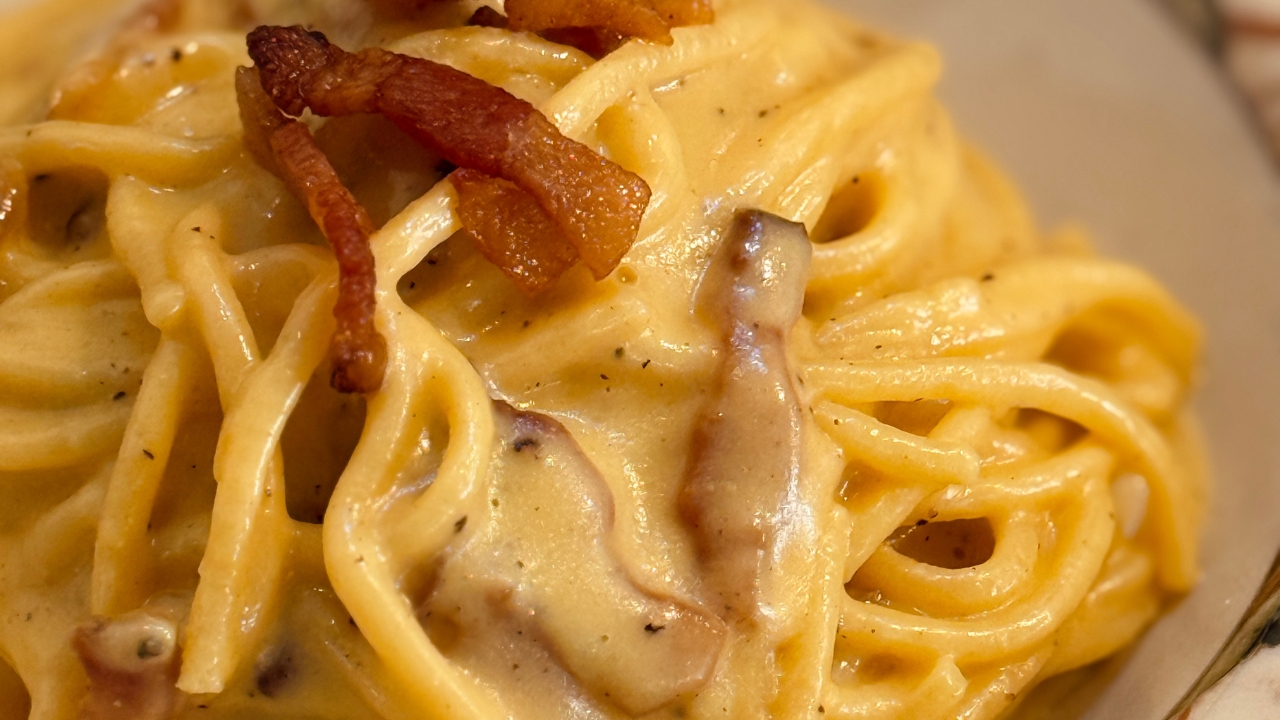
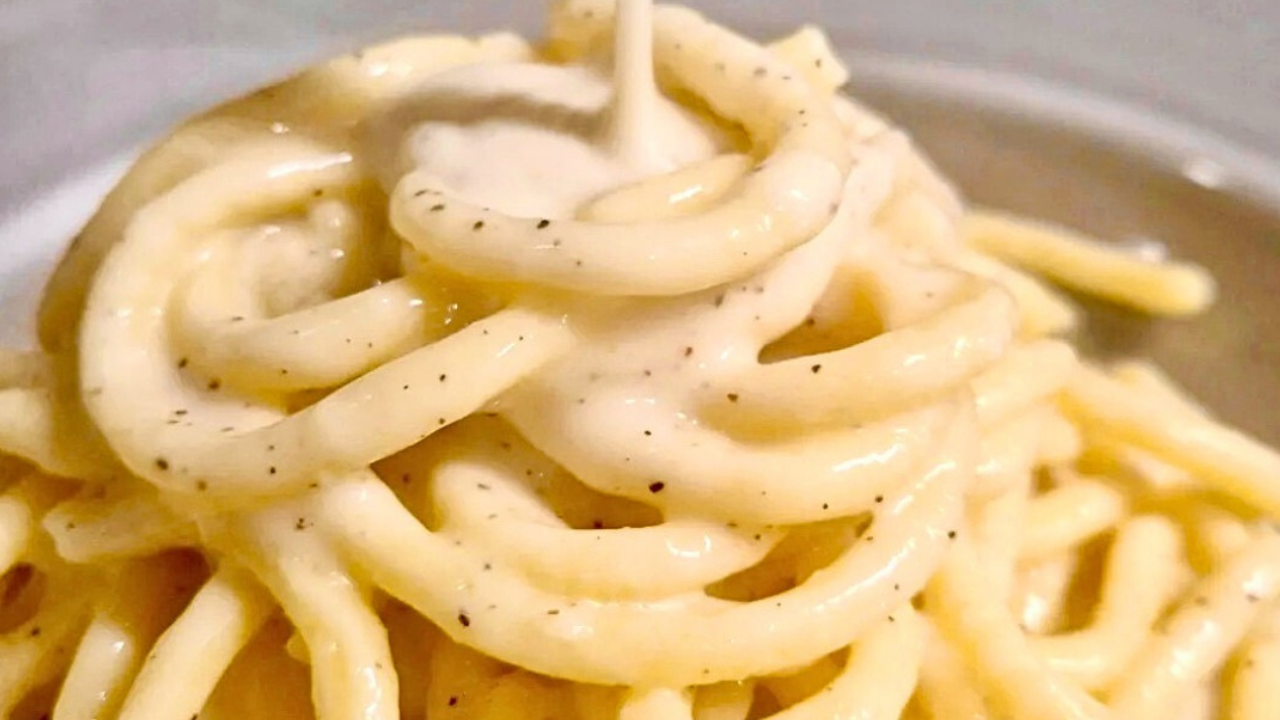
This means our most famous pasta dishes (carbonara, gricia, cacio e pepe, amatriciana) can also be enjoyed by those with intolerances. However, in these cases, it is always a good idea to inform the front-of-house staff so they can check the ageing time and any potential cross-contamination with the kitchen.
Beyond the natural properties of aged pecorino romano, this cheese is also particularly appreciated by athletes for its high energy value (around 400 kcal) and high protein content (a solid 26g) per 100g of product.
E poi nun dite che ‘na cacio e pepe, a dieta, nun se po’ magna’!
Which recipes make the most of it in the kitchen?
Roman cuisine features pecorino in countless recipes and variations. Just think of all the most classic pasta dishes of the roman tradition: cacio e pepe, carbonara, gricia, and amatriciana would be nothing without the strong character of pecorino romano.
These dishes all share the use and preparation of this ingredient: the secret to truly elevating pecorino romano lies in the mantecatura (tossing the pasta with its sauce off the heat), which requires a generous dose of this cheese to create that signature creaminess.
Fidateve, trust us, pecorino romano sauce can be the base (and at the same time, the main seasoning) for so many dishes—have you ever thought about it? Pe’ noi, for us, with just a pinch of grated aged pecorino romano to finish, every dish is ready to be served!
In our restaurant, we use it both as a garnish and in the preparation of various dishes on the menu, as well as in our pizzeria. Just a few steps from the restaurant, you can enjoy authentic roman pizza in teglia served by the slice, with different variations available every day. To savour the full flavour of Rome’s pecorino, you simply cannot miss our “cacio e pepe” slice—an absolute delight for the palate!
Which restaurant serves authentic pecorino from Rome?
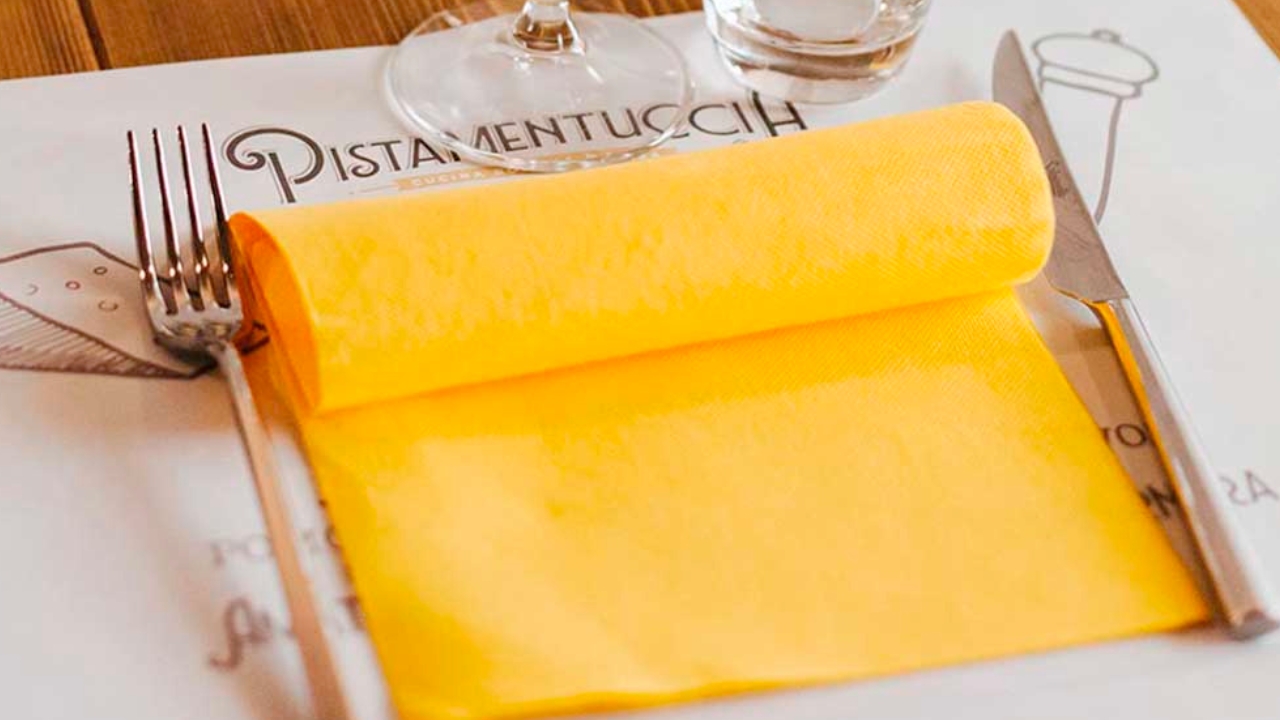
Well, it goes without saying: to taste the very best pecorino romano DOP, the only way is to come and try it at Pistamentuccia. We are the only restaurant in the heart of Bologna offering traditional, authentic roman cuisine, passed down through our generations.
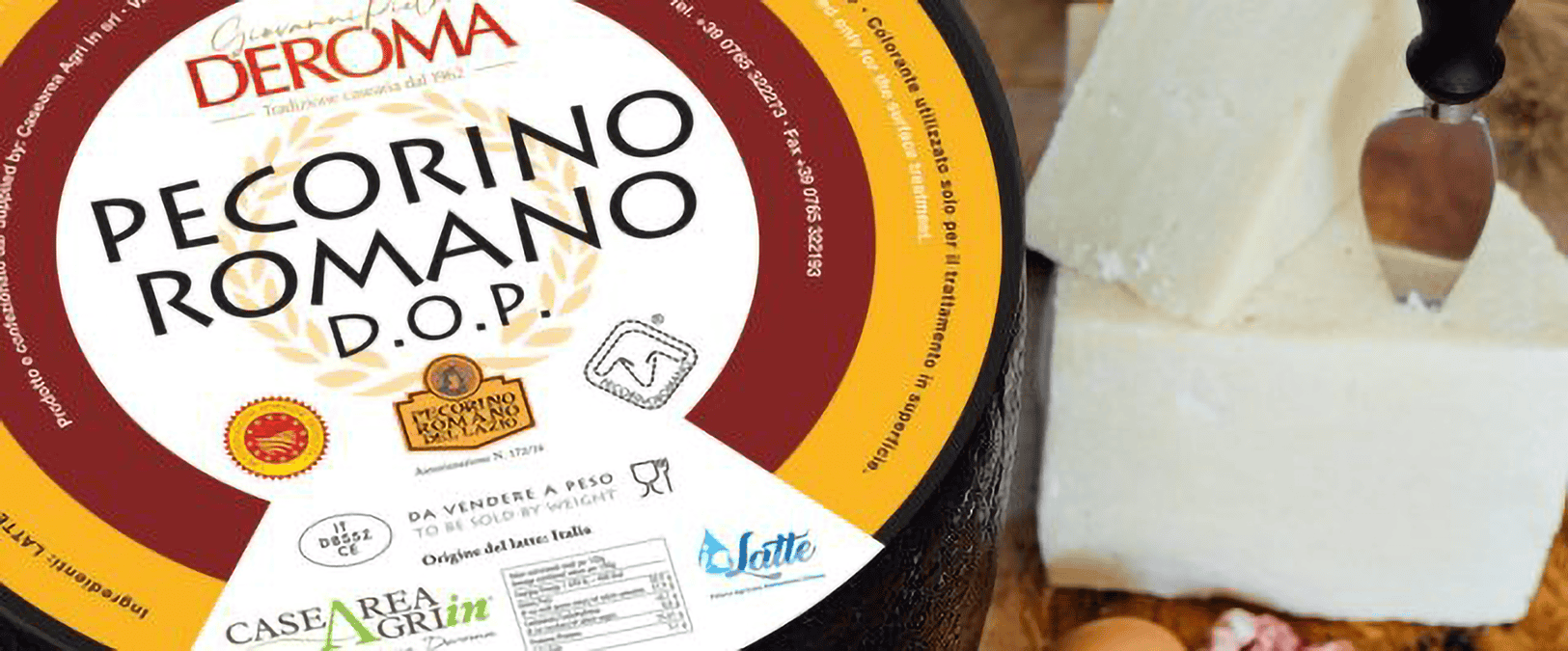
In the kitchen, we only use ‘Deroma D.O.P. Pecorino Romano’, the only Pecorino Romano produced in the province of Rome by the Casearia Agri In dairy. The result of a truly artisanal process—from cutting and shaping right through to salting—it brings a robust, bold flavour to every dish. It’s no surprise that in 2015 it was awarded the Gambero Rosso prize for the best D.O.P. Pecorino Romano in Italy.
You can’t visit Bologna without popping into Pistamentuccia: here you’ll find authentic Pecorino Romano in plenty of delicious dishes. Come and discover them on our menu!