


The choice of pasta directly impacts the perceived quality of a dish. When comparing fresh pasta and industrial store-bought pasta, the difference is not just about tradition: the texture varies, the way the sauce binds changes, and the overall experience on the palate is different. In a restaurant setting, these elements become decisive because they determine the balance, creaminess, and sheer pleasure of every forkful.
Fresh pasta: definition and characteristics
Fresh pasta refers to pasta prepared with simple ingredients, such as flour, water, and often eggs, which is kneaded and portioned shortly before service. It generally contains a higher amount of water compared to dried pasta, which is why it requires refrigeration and has shorter cooking times. From a sensory perspective, well-made fresh pasta is softer, more elastic, and has a surface that holds onto sauces better, especially creamy ones.
Store-bought pasta: standardisation and results on the plate
Store-bought pasta refers to pasta produced on a large scale, designed to guarantee consistency and a long shelf life. This characteristic is a huge advantage in terms of storage and repeatability, but in a restaurant, it can translate to a less enveloping yield: the surface tends to be more uniform and, in some cases, less inclined to bind thick sauces or emulsions.
It must be said that there are high-quality dried pastas out there, but in a comparison geared towards the typical experience of a restaurant serving rich, creamy dishes, fresh pasta often provides a result that is much more in line with the goal.
The main point: sauce adherence and texture
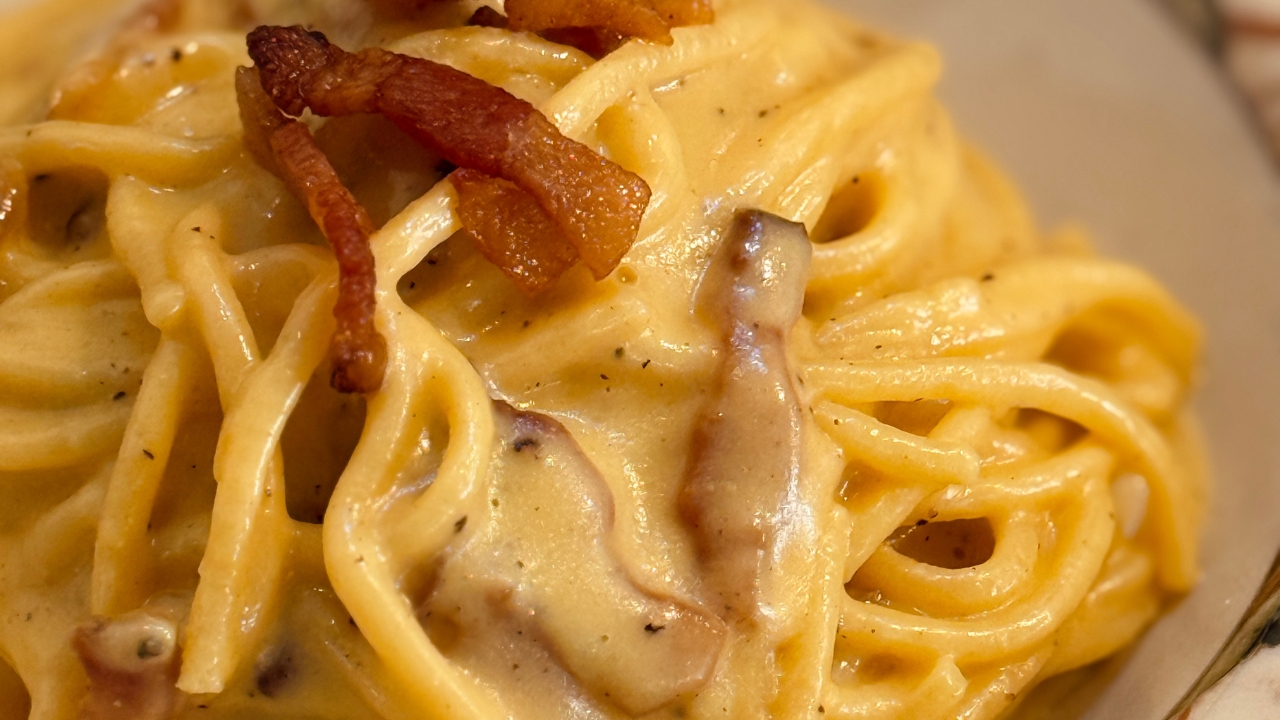
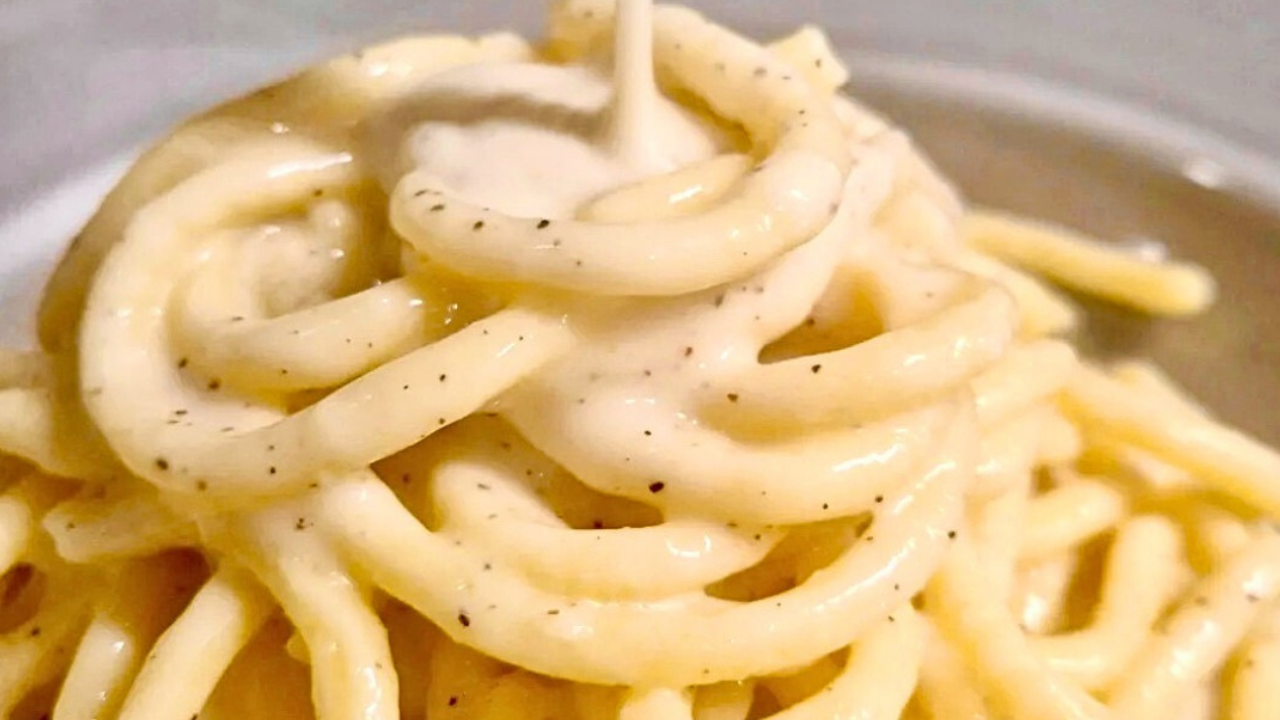
One of the most crucial aspects is the pasta’s ability to hold the sauce. Thanks to its structure and surface, fresh pasta tends to bind better to rich sauces, cheese-based dressings, emulsions, and hearty ragùs. This translates to a more uniform forkful: the sauce doesn’t separate but accompanies the pasta smoothly. As they say in Rome, se deve ‘ncollà, deve ‘ncollà bene—if it’s meant to stick, it needs to stick properly.
The texture changes too: fresh pasta maintains a more natural softness and a rounded, satisfying chew. Dried pasta, on the other hand, often focuses on a firmer bite and higher resistance—qualities that work well in some dishes but don’t always enhance the creamy sauces typical of Roman cuisine.
Homemade fresh pasta and equipment: what makes the difference
Many people associate fresh pasta with having a pasta machine in the kitchen. In reality, the equipment helps, but it is not the deciding factor. The final quality depends above all on:
- a well-balanced and properly kneaded dough;
- adequate resting times;
- even rolling and precise cutting;
- cooking timed to the exact second;
- a sauce designed specifically for that pasta shape.
In a restaurant, this level of care must be constant, service after service. This is where fresh pasta, when produced in-house, becomes a real asset: it’s not just a nice story on the menu, but a key element that genuinely changes the outcome of the dish.
Fresh pasta at Pistamentuccia
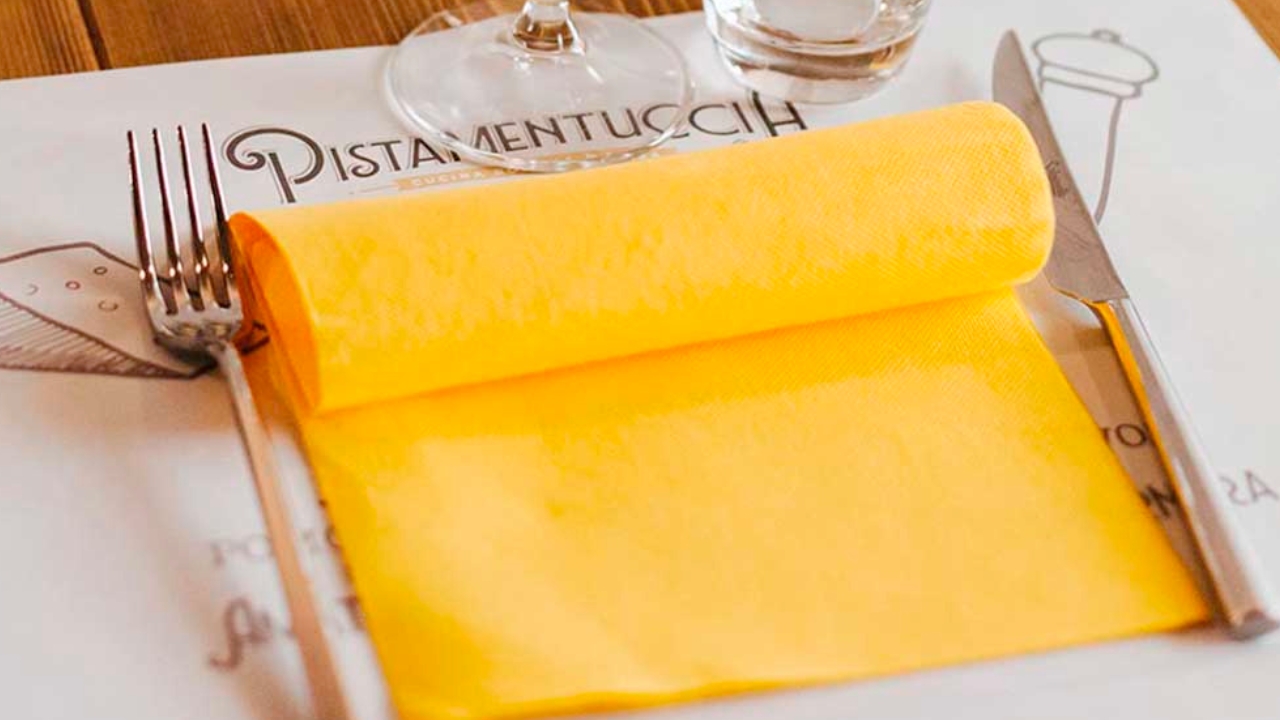
At Pistamentuccia, fresh pasta is a central feature of the menu: tonnarelli and fettuccine are prepared in-house every day, starting from the dough and working it with our pasta machine. This means you get fresh pasta, made on the premises, with a structure and porosity that help the sauces bind better and make the texture fuller and more pleasing to the palate. It is not hand-rolled pasta in the traditional sense, but it remains a fresh, artisanal product designed to guarantee consistent quality during service. Alongside these pasta shapes, the menu also features a small section for gnocchi, prepared with the exact same philosophy: made in-house, with a close eye on the final result, to bring them to the table soft and perfectly balanced with the sauce.
Fresh pasta in Bologna: a choice that makes sense
The topic of fresh pasta in Bologna is particularly relevant: Bologna is a city with a deeply rooted and recognisable pasta culture. Precisely for this reason, offering fresh pasta with a Roman twist can be incredibly interesting when executed with consistency, quality, and respect for both technique and ingredients. In this context, the pasta is not merely a vehicle for the sauce, but a central part of the gastronomic experience.
February's off-menu special: homemade caserecce at Pistamentuccia
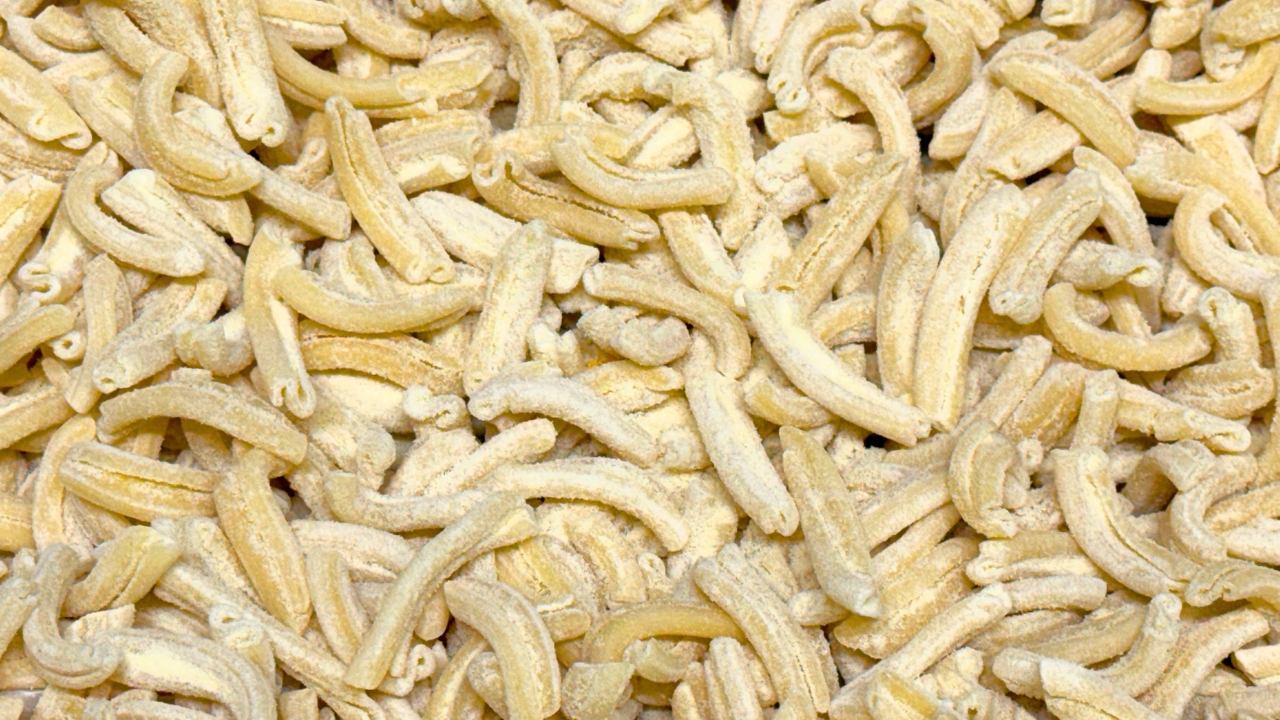
For those who want to taste the real difference between fresh and store-bought pasta, first-hand experience is the most effective way. In our February off-menu specials, Pistamentuccia has introduced a new shape compared to our previous offerings: homemade caserecce.
If you’re curious to try them, we are waiting for you right here. Book your table with a simple click on WhatsApp at this link.